
App Membrane Waterproofing
App Membrane Waterproofing
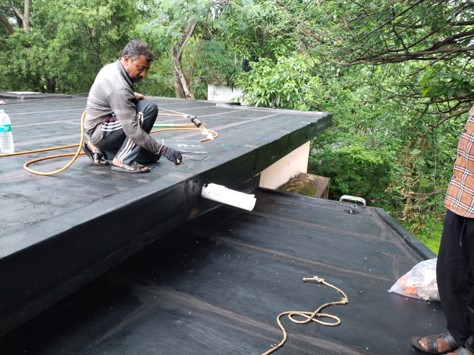
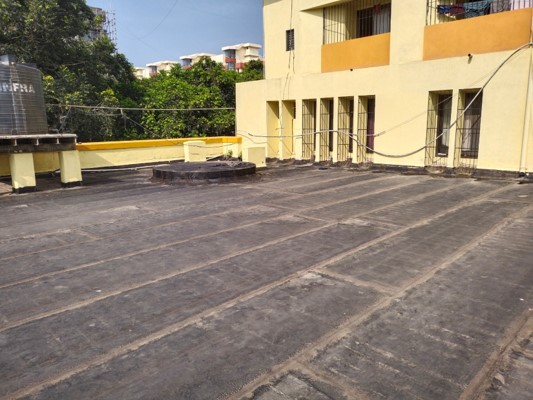
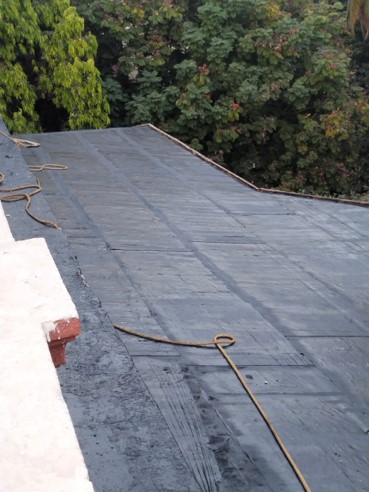
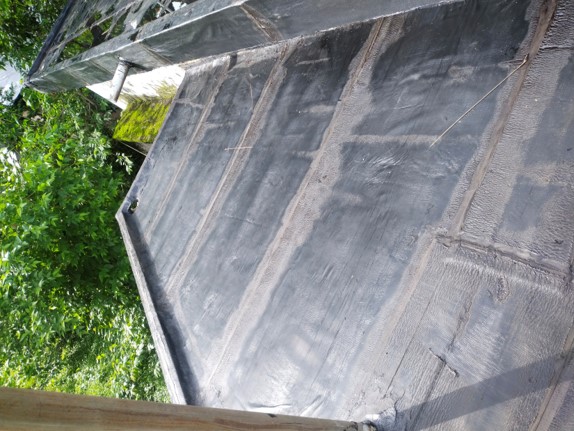
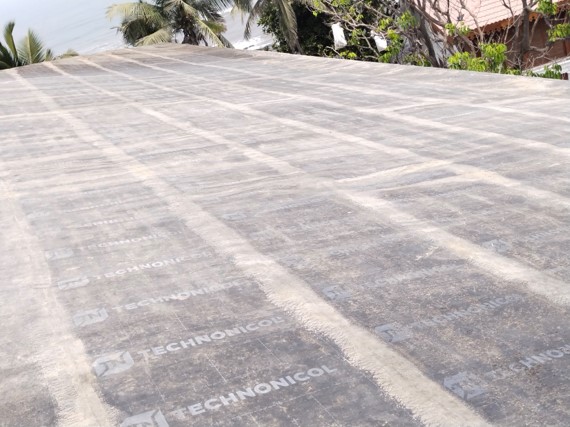
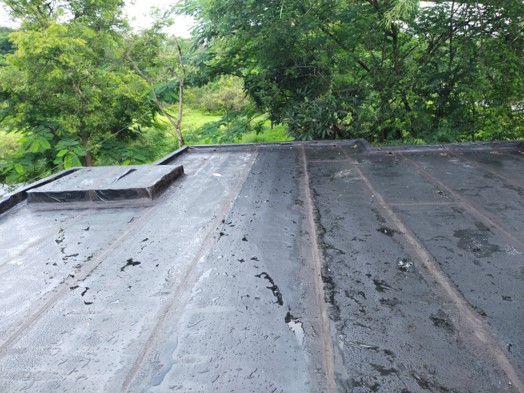
APP membrane is a
torch-applied, modified bitumen waterproofing material made with Atactic
Polypropylene (APP) polymers. It is durable and flexible, offering
excellent resistance to high and low temperatures, UV rays, and
aging. This makes it a common choice for protecting roofs, basements,
water tanks, and other structures from water ingress.
Key
features
·
Material:
A modified bitumen
membrane enhanced with APP polymers, which provides increased durability,
flexibility, and resistance to temperature extremes and UV radiation.
·
Application:
Typically applied using a
torch, which melts a thermofusible film on the underside of the membrane to
create a seamless and waterproof layer.
·
Reinforcement:
Often reinforced with
materials like polyester or fiberglass for added strength and elongation.
·
Durability:
Designed for a long
service life, often lasting over 20 years with proper installation and
maintenance.
·
Cost-effective:
Offers
a high-performance solution at an optimum cost.
Common
applications
·
Roofs
(flat and low-slope)
·
Basements
and foundations
·
Terraces
and balconies
·
Water
tanks and swimming pools
·
Concrete
channels and man-made ponds
·
Bridge
and tunnel structures
Application
process
1. Preparation:
The surface must be clean
and dry. A primer is often applied first for better adhesion.
2. Installation:
The membrane is rolled
out, and a blowtorch is used to heat the underside of the membrane until it
melts.
3. Sealing:
The melted membrane is
pressed firmly onto the surface to create a strong bond. Joints are
overlapped and then welded together with the torch, typically with overlaps of
10-15 cm.
4. Finishing:
Some
membranes come with a mineral or aluminum finish to protect the material and
provide a reflective surface.