
Roof Mangalore Clay Tile Works
Roof Mangalore Clay Tile Works
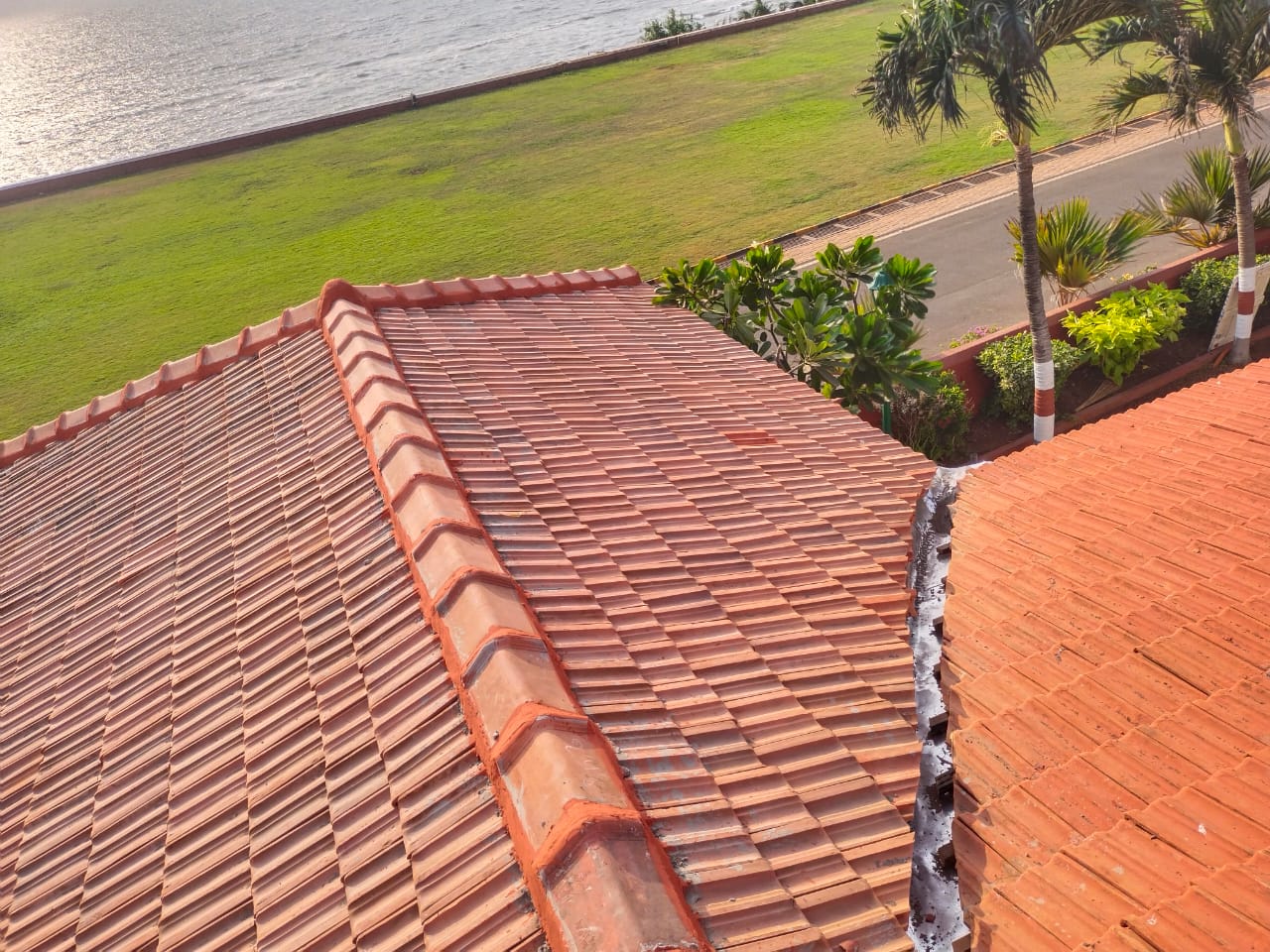
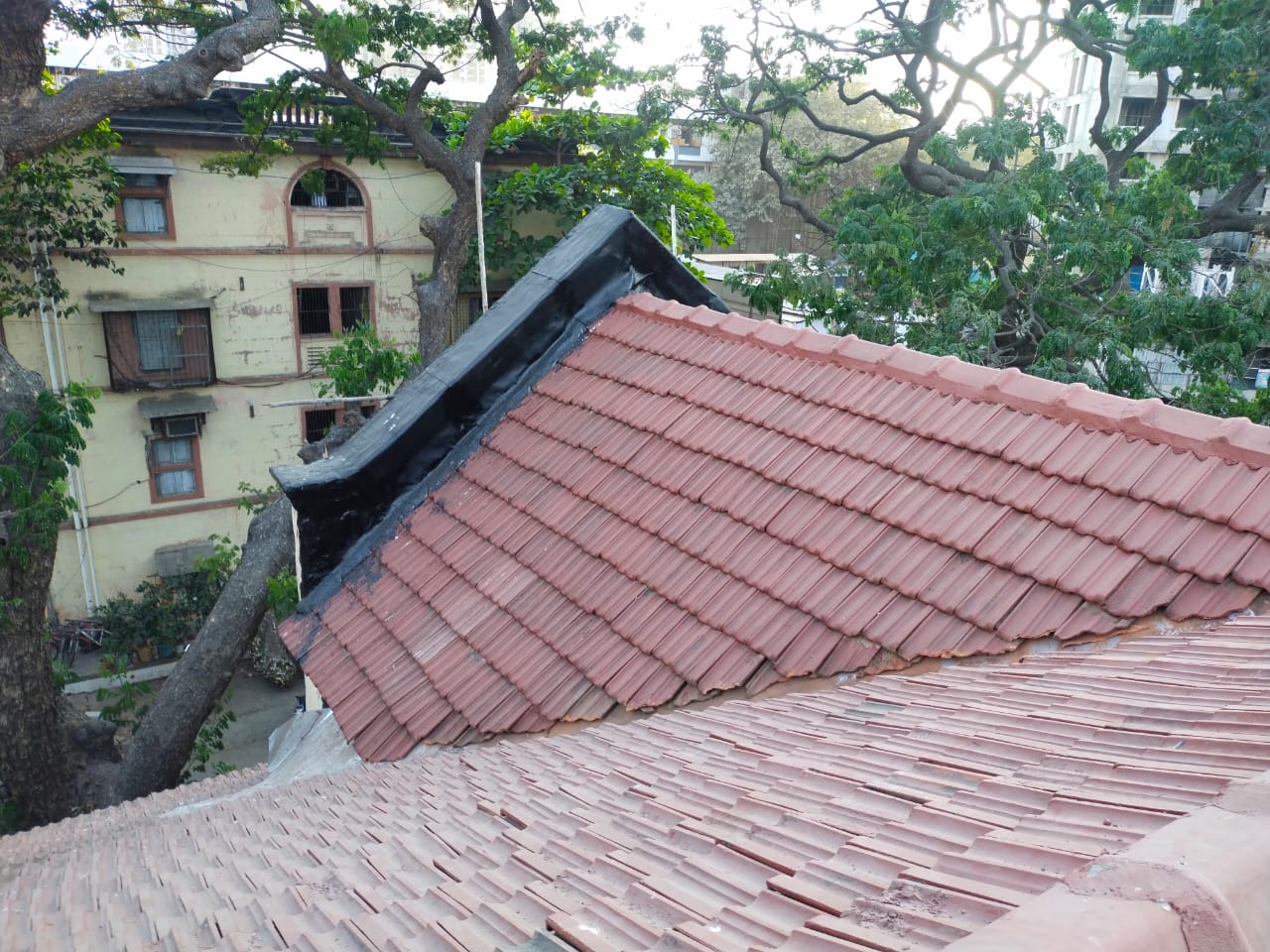
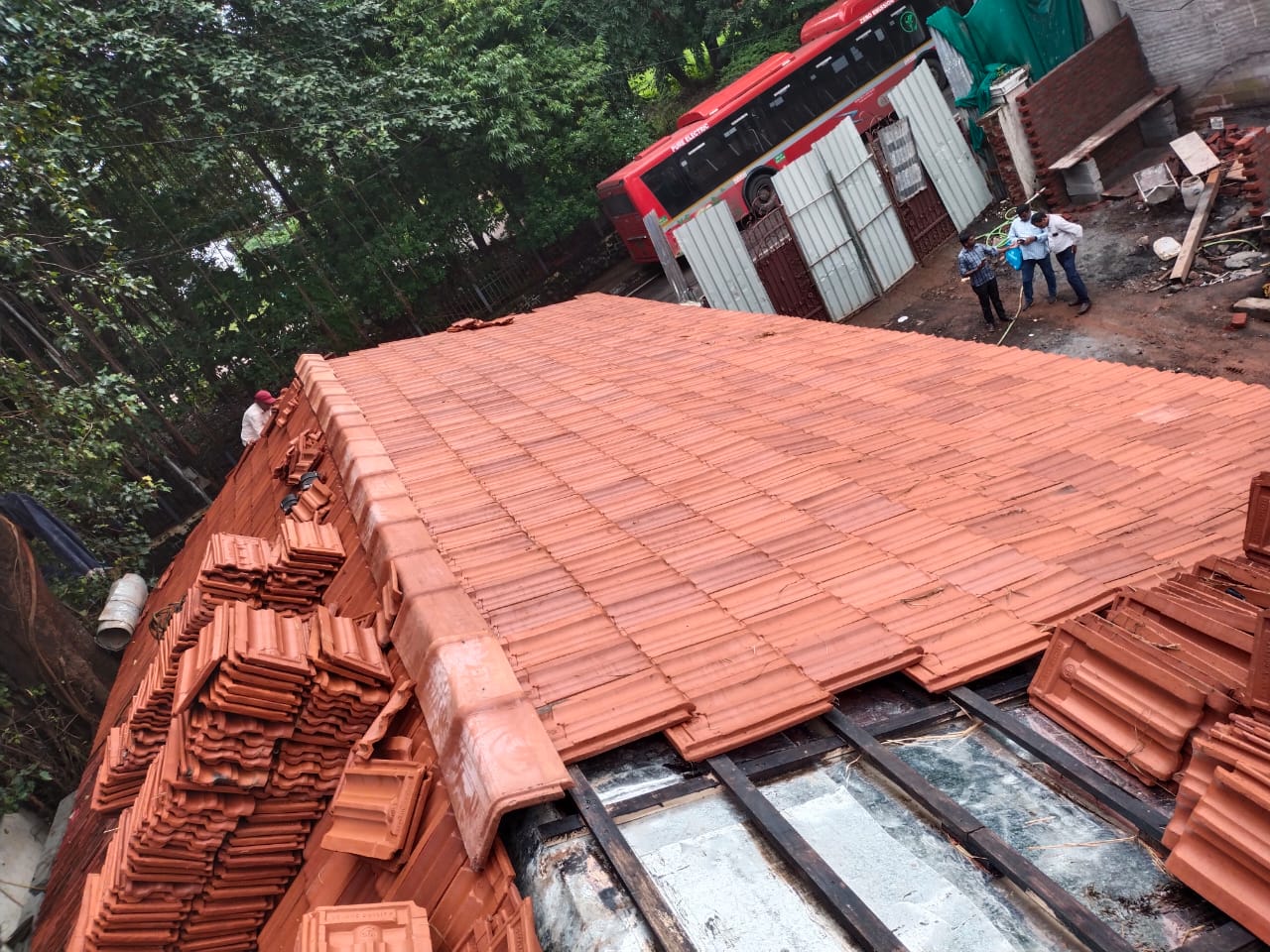
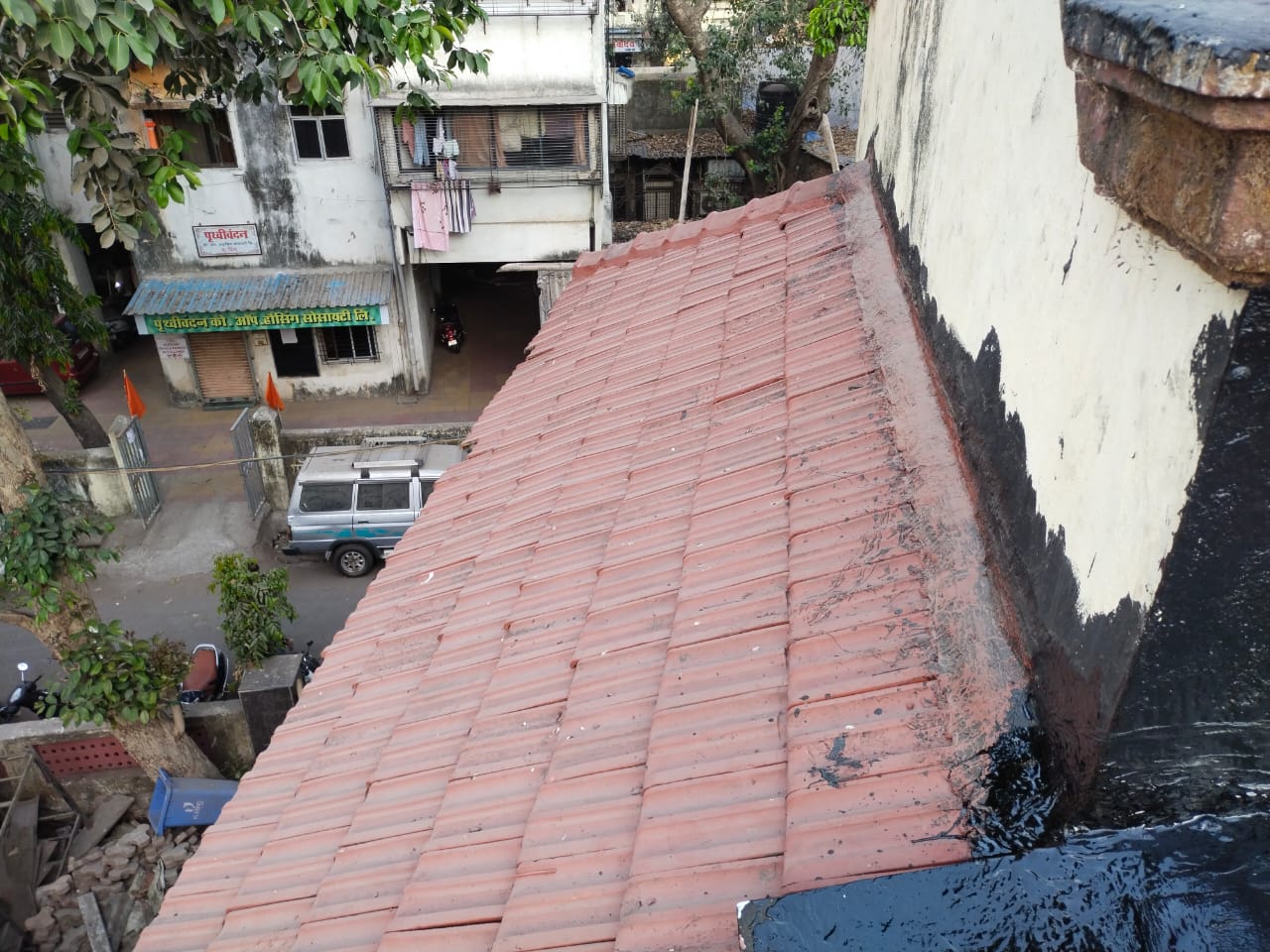
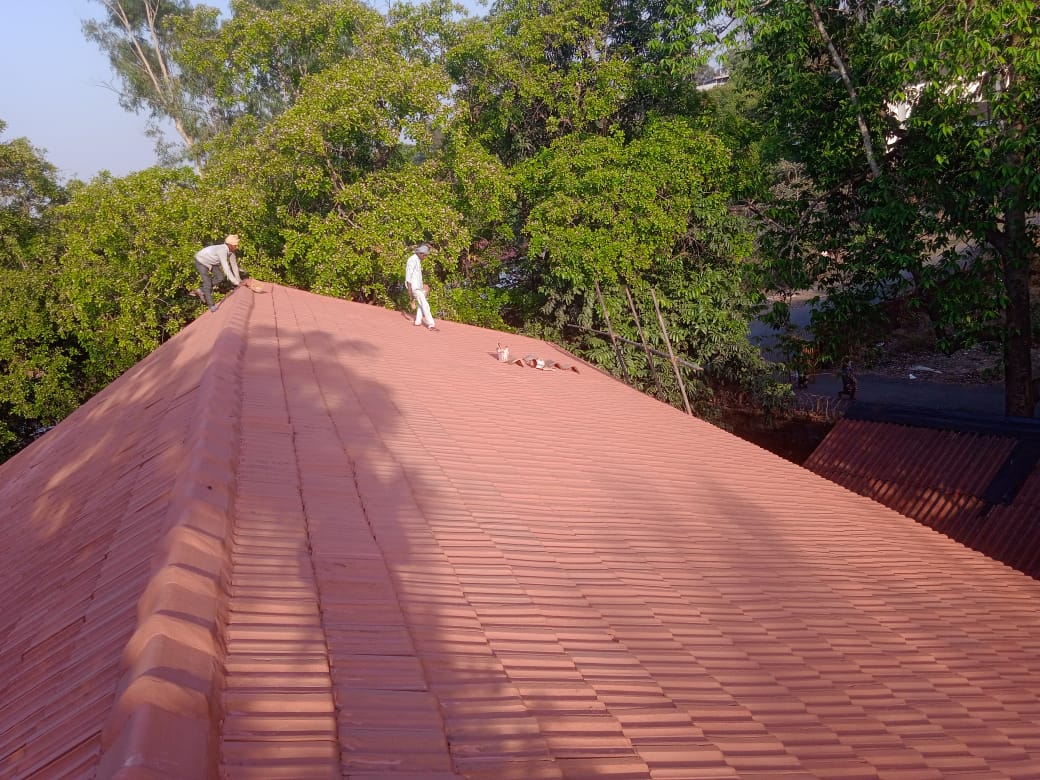
Mangalore tiles are a type
of tile native to the city of Mangalore, India. The tiles were first introduced
to India in 1860 by a German missionary. Since that time, the industry has
flourished in India with these red tiles, prepared from hard laterite clay, in
great demand throughout the country. They are exported to Myanmar, Sri Lanka,
and the Far East and even as far as East Africa, the Middle East, Europe, and
Australia. These were the only tiles recommended for government buildings in
India under the British Raj.
They
provide excellent ventilation especially during summer and aesthetically as
well. Some of them are especially made to be placed over kitchen and bathroom
for the smoke to escape. Over a period of time, these tiles become dark to
black from constant exposure to soot and smoke. These red colored clay tiles,
unique in shape and size are so famous and export to all the corners of world.
They are unique and are made or available in different size and shapes
depending on the users need.
These tiles are not only eco-friendly but also cheap, durable
and costs only one third that of cement. Some of the buildings which are 100
yrs old still have tile roofing.These tiles are suited for regions experiencing
heavy rainfall as water drains easily and fast. The Mangalore tiles are
generally placed at forty five degree slant. The tiles get their robust red
colour due to the high proportion of iron compound found in the laterite clay.
A tile weighs about 2 kilograms (4.4 lb) to 3 kilograms (6.6 lb).